
%20(2).png)
Achieving 200 Percent of Expected Math Growth in Just One School Year


Imagine a school where students do not just meet their expected math growth but double it in a single year. This remarkable achievement is not a fantasy but a reality for us. We saw our students achieve 200% of the expected annual math growth this year. This post explores how this extraordinary progress was made, what strategies contributed to it, and what lessons teachers, parents, and funders can take away to support neurodivergent learners.
Understanding the Challenge of Math Growth
Math growth is often measured by how much a student improves their skills and understanding over a school year. For many students, especially those who are neurodivergent, traditional teaching methods may not be enough to reach or exceed expected growth. Challenges such as processing speed, working memory, and anxiety around numbers can slow progress.
We faced the challenge head-on by rethinking how math instruction could be tailored to meet diverse learning needs. The goal was clear: help every student achieve more than the standard growth benchmarks.
Key Strategies That Led to Anniston Academy's Exceptional Growth
One question we often hear is, "How did your students make so much progress in math?"
The answer isn't a single curriculum or program, it's the way we teach. Several focused strategies contributed to this success. These approaches can serve as a guide for educators and parents aiming to support similar outcomes.
Personalized Learning Plans
Each student at Anniston Academy received a personalized learning plan based on their strengths, challenges, and interests. These plans included:
Targeted skill-building exercises
Flexible pacing to reduce pressure
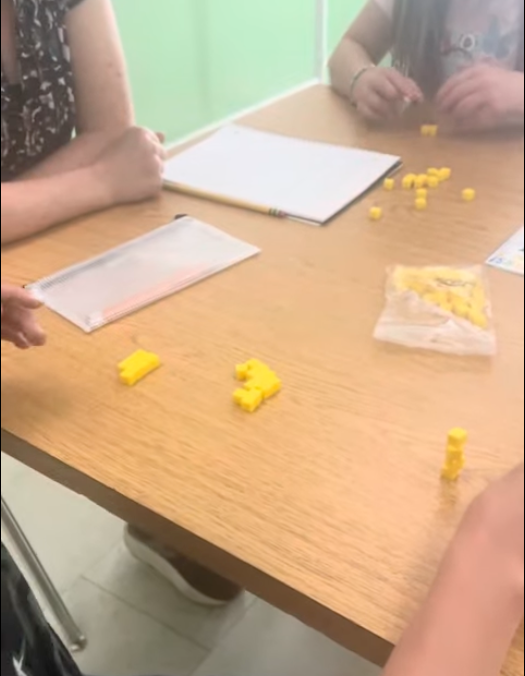
Use of visual aids and manipulatives to support understanding
Blended learning models (worksheets, hands-on activities, and virtual learning)
Small groups
Project-based learning to include special interests into math lessons
Personalization helped students engage with math in ways that made sense to them, increasing motivation and retention.
Discrete Trial Teaching (DTT)
At Anniston Academy, we integrate evidence-based principles from Applied Behavior Analysis (ABA) into academic instruction. One of those strategies is Discrete Trial Teaching (DTT), which allows complex skills to be broken down into smaller, manageable steps. Students receive clear instruction, immediate feedback, repeated opportunities to practice, and systematic support until they demonstrate mastery.
As students become more proficient, instruction naturally shifts toward more naturalistic teaching, fluency-building, problem solving, and applying skills in everyday situations. This combination helps students not only learn new concepts but retain and generalize them.
Frequent Progress Monitoring
Instead of waiting for end-of-term tests, Anniston Academy teachers used frequent, low-stakes assessments to monitor progress. This allowed for:
Early identification of areas needing extra support
Adjustments to teaching methods in real time
Celebrations of small wins to boost confidence
Regular feedback kept students and teachers aligned and focused on growth.
Collaborative Teaching Teams
Teachers worked closely with therapeutic staff, interventionist, administration, and parents to create a supportive learning environment. This collaboration ensured:
Consistent strategies across classrooms and home
Sharing of insights about student needs and responses
Coordinated interventions when challenges arose
A team approach helped maintain momentum and address obstacles quickly.
Use of Technology and Interactive Tools
Technology played a key role in engaging students. Tools included:
Interactive math games tailored to skill levels
Apps that adapt to student responses for personalized practice
Visual and auditory supports to reinforce concepts
These resources made math practice more enjoyable and accessible.
Examples of Student Success
One student, who struggled with number sense at the start of the year, improved by two grade levels after using a combination of visual aids and daily practice apps. Another student with anxiety around math tests showed steady progress through frequent check-ins and personalized pacing, ultimately doubling their expected growth.
These stories highlight how targeted support can unlock potential in students who might otherwise fall behind.
Moving Forward with Confidence
Achieving 200% of expected math growth in one school year is a clear sign that with the right approach, students can exceed expectations. We hope that Anniston Academy's success encourages educators and families to rethink how math is taught and supported, especially for neurodivergent learners.
For teachers, this success shows the power of adapting instruction to meet individual needs. It encourages ongoing assessment and collaboration to keep students on track.
Parents can support growth by staying informed about their child’s progress and reinforcing learning strategies at home. Understanding that growth can be accelerated with the right support helps set realistic and hopeful expectations.
Funders interested in educational outcomes should consider investing in programs that provide personalized learning, professional development for teachers, and technology resources. These investments can create environments where students thrive beyond standard benchmarks.


Comments