
%20(2).png)
Learning Beyond the Classroom Walls: Why Nature Play Matters, Especially for Neurodivergent Students

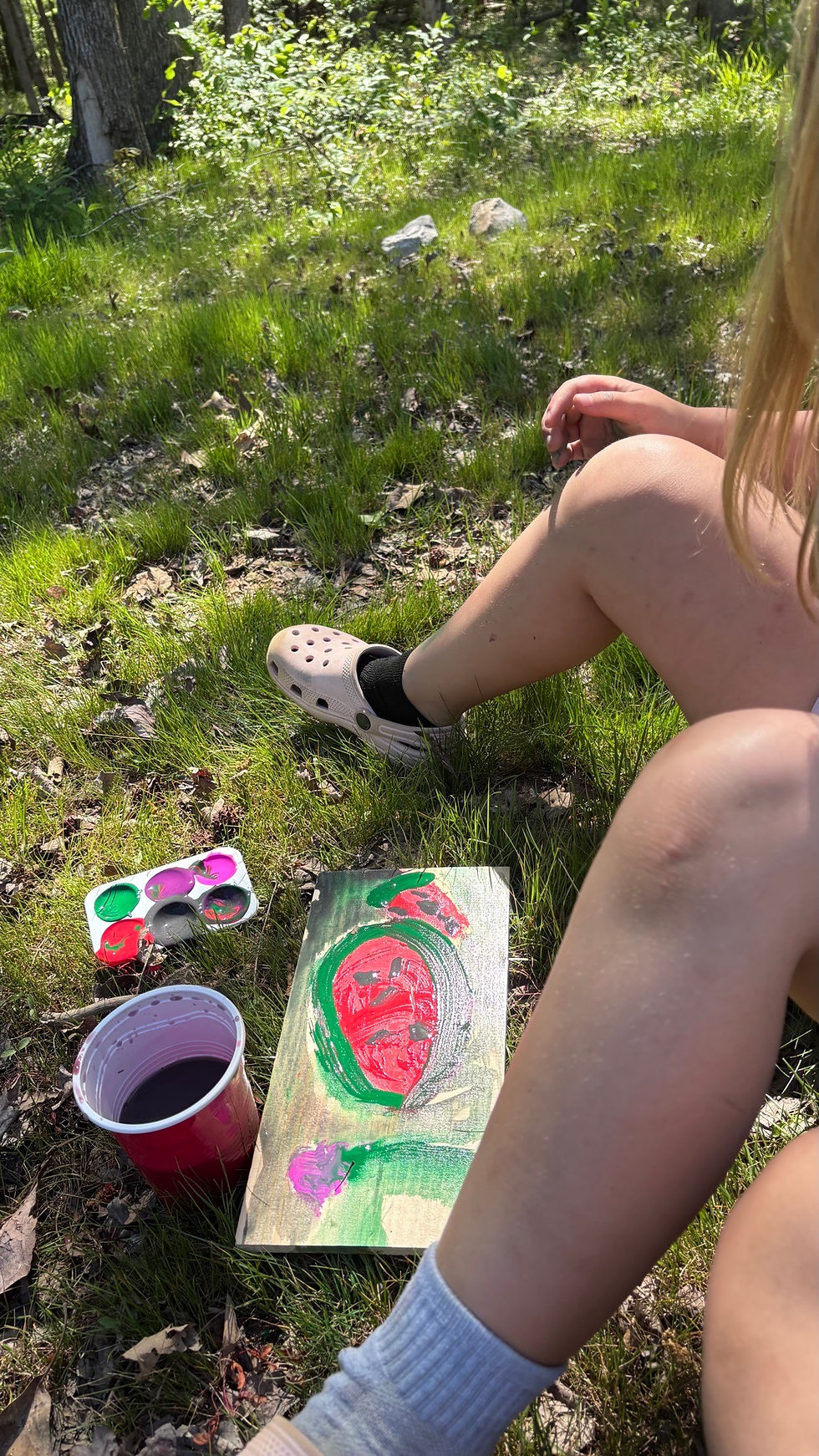
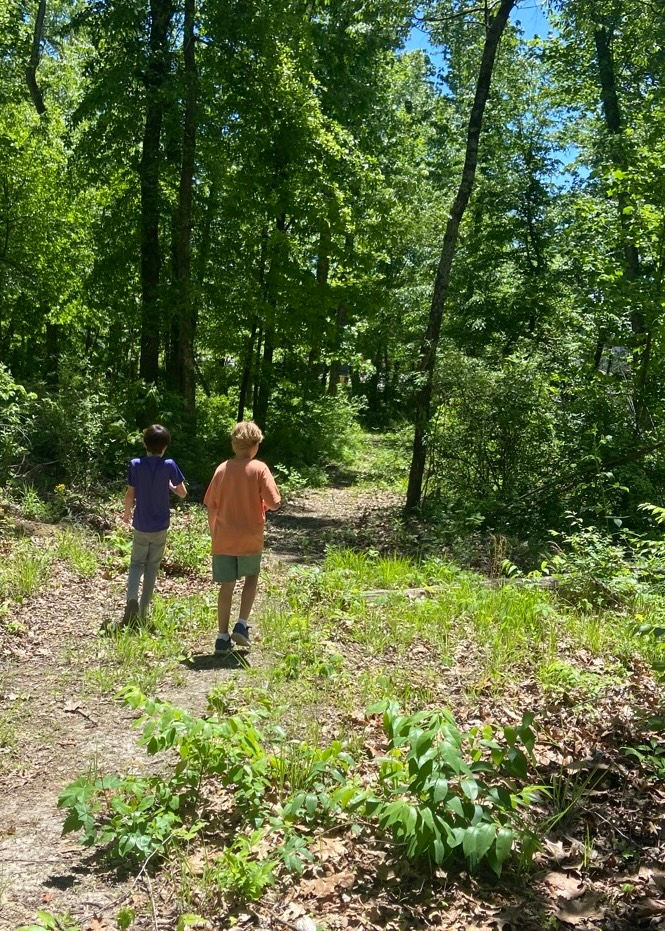
At Anniston Academy, we believe some of the most meaningful learning doesn’t happen at a desk. It happens while digging in the dirt, collecting leaves, watching an insect crawl across a log, balancing on a rock, splashing through a muddy puddle, building something out of sticks, or simply having the freedom to explore.
Nature Is a Classroom, Too
Children learn through movement, curiosity, experimentation, and play. The outdoors naturally provides opportunities for all four. Nature play is different from simply taking an activity outside. It gives children opportunities to interact with the natural world in ways that are creative, child-led, and often wonderfully unpredictable.
A stick can become a bridge, a wand, a tool, or part of a fort. A pile of rocks can become something to sort, stack, count, compare, or investigate. A puddle can turn into a lesson about cause and effect without anyone ever announcing that a lesson has begun. For children, that is real learning.
The Benefits Go Far Beyond Physical Activity
The Natural Start Alliance's A Parent's Guide to Nature Play highlights the important role outdoor, nature-based play can have in children's development. Nature play can encourage physical activity while also supporting creativity, concentration, social interaction, independence, problem-solving, and children's connection with the world around them. But one of the most important ideas in the guide is that meaningful nature play should be child-centered. Adults don't always need to determine the objective. Sometimes children need the freedom to decide what they are going to investigate, what they are going to build, how they are going to play, and when they are ready to move on to something else. That freedom creates opportunities for decision-making, flexible thinking, persistence, imagination, and self-confidence.
Why This Can Be Especially Meaningful for Neurodivergent Children
At Anniston Academy, we also recognize that learning and regulation look different for every child. For some students, the traditional classroom environment can require an enormous amount of effort. Sitting for long periods, filtering competing sounds, navigating social expectations, transitioning between activities, and managing sensory input can all require significant energy.
Outdoor environments offer something different. There is room to move. There are opportunities to touch, dig, carry, climb, push, pull, balance, observe, and explore. Children can encounter naturally occurring sensory experiences instead of participating only in adult-created activities. They can practice motor planning while navigating uneven ground, communication while sharing a discovery with a friend, problem-solving while figuring out how to build something, and emotional regulation while moving their bodies. And importantly, not every moment has to become a therapy exercise. Sometimes play should simply be play.

Nature Play Doesn't Require a Forest
One of our favorite messages from the Natural Start Alliance resource is that nature play doesn't require an elaborate destination. A backyard, schoolyard, garden, patch of dirt, neighborhood green space, or quiet corner of a park can become an incredible environment for exploration. What matters most isn't necessarily the size of the space. It's what children are allowed to do with it.
Can they dig?
Can they investigate?
Can they collect things?
Can they build?
Can they move?
Can they imagine?
Can they come back tomorrow and discover something new?
Repeated access matters. Nature becomes much more meaningful when it is part of children's regular lives rather than something reserved for an occasional field trip.
Bringing More Nature Play Home
Families don't need an elaborate curriculum or expensive outdoor equipment to encourage nature play. Go outside and see what your child notices. Let them turn over a rock and investigate what's underneath. Give them a bucket and shovel. Take a walk after it rains. Let them collect interesting leaves. Look for insects. Plant something together. Build with sticks. Watch clouds. Make mud pies. And when your child says, "I'm bored," resist the urge to immediately provide an activity. Boredom can be the space where creativity begins. Sometimes our job as adults is simply to provide a safe environment, make ourselves available when needed, and then give children enough freedom to figure out what happens next.

Protecting a Piece of Childhood
Our children are growing up in a world filled with screens, schedules, structured activities, academic expectations, and constant stimulation. There is tremendous value in intentionally protecting time for something much simpler: Going outside and playing.
At Anniston Academy, we believe education should develop the whole child. Academic growth matters deeply, but so do curiosity, independence, creativity, communication, movement, confidence, relationships, and joy. Sometimes nurturing those things means opening a textbook. And sometimes it means opening the door.
Want to learn more?
We encourage families to read the Natural Start Alliance's A Parent's Guide to Nature Play. It offers additional information about the benefits of nature play as well as practical ideas for creating more opportunities for outdoor exploration at home.

Comments